Aloe Vera: is it really useful for skin disorders?
People are using aloe vera in a lot of skin conditions, but most of these claims are not backed up by rigorous scientific studies.

Dr. Nitin Ranjan
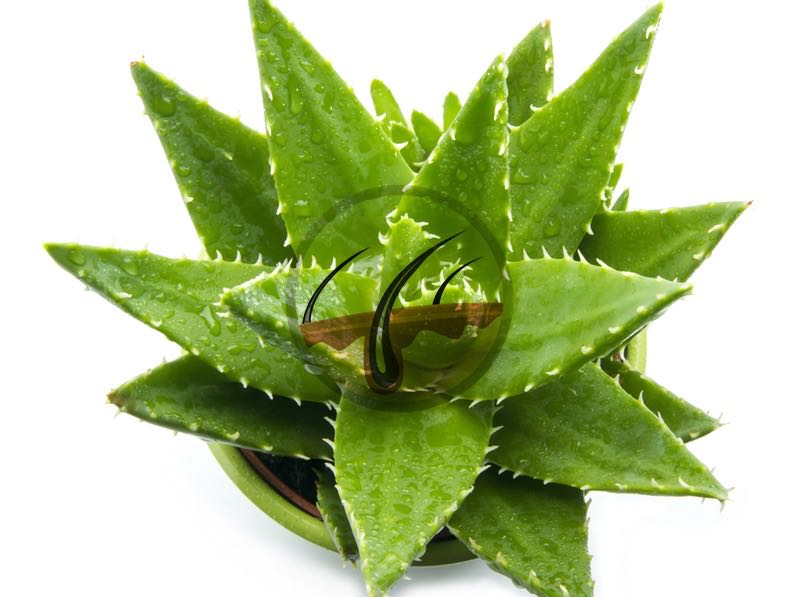
Aloe vera is a natural product that is frequently used these days in various skin conditions. The medicinal claims made about aloe vera use are endless. Most of these claims are not backed up by rigorous scientific studies. In this post, we would discuss about this plant, how it works, uses and its efficacy in various skin conditions.
What is Aloe Vera?
Aloe is a popular houseplant belonging to Lily family of plants. It is a stemless short plant that grows to about a height of 60-90 cm. It has succulent fleshy leaves with serrated or thorny margins. Aloe Vera grows in warm and dry climates, and often looks like cactus with fleshy thorny leaves. There are about 400 species of aloe plant, but it is the Aloe Barbadensis Miller (Aloe Vera or “true aloe”) plant which has been of most use to mankind because of the medicinal properties.
Which parts of the aloe vera plant are useful?
The lower part of aloe vera leaf is used for medicinal purposes. It has two components: gel and latex.
- Aloe vera gel is theleaf pulp or mucilage, a thin clear jelly-like substance obtained from the parenchymal tissue that makes up the inner portion of the leaves. Gel is most useful part for skin disorders.
- Aloe latex is a bitter yellow exudate obtained from just beneath the outer skin of the leaves. It is commonly used as laxative.
How does aloe vera work in skin conditions?
- Healing properties : aloe contains polysaccharides and growth hormones that activate fibroblast and collagen synthesis simulating wound healing. It also increases blood flow to the area and prevents cell death around wound.
- Antimicrobial-effect: Aloe vera contains many anti-microbial agents as Lupeol, salicylic acid, urea nitrogen, cinnamonic acid, phenols and sulfur. They all have inhibitory action on fungi, bacteria and viruses.
- Anti viral activity : Aloe has demonstrated to have some anti-viral activity against herpes, and varicella zoster viruses.
- Anti oxidant: Aloe contains many ingredients with anti-oxidant activity. Anti-oxidant action of aloe vera protects skin against harmful exposure to UV and gamma radiation.
- Effects on the immune system and anti inflammatory action : Ingredients present in aloe may modulate the immune system. This may have a beneficial effect on chronic inflammatory conditions as psoriasis or lichen planus.
Popular uses of aloe vera
There are number of popular indications for which aloe medications are used. Most of these uses come from anecdotal reports. It’s popular skin uses are:
- as a moisturiser in dry skin
- to reduce symptoms of sunburn and sensitive skin
- healing minor burns.
- as an antiseptic on minor cuts, boils and acne.
- treatment of itchy rashes
- treatment of psoriasis & lichen planus
- hair conditioning and reducing hair fall
- control of dandruff
Other uses of aloe : Aloe gel is ingested orally for number of conditions as constipation, osteoarthritis, inflammatory bowel disease, fever, itching, diabetes, side effect of radiation, glaucoma, multiple sclerosis, bleeding, menstrual irregularities, asthma, and epilepsy. The list of its indications is very exhaustive. Aloe vera’s ever-increasing popularity has even made people to consume it to boost immunity and as a general tonic.
In which skin conditions is aloe really useful?
Most of the uses of aloe vera are from anecdotal reports. Many uses are lacking proper scientific research regarding aloe safety and effectiveness in a given condition. A few clinical trials have done to demonstrate efficacy of aloe in skin conditions. Aloe has been demonstrated to be useful in:
- Cold sores or herpes simplex virus infection : clinical research has shown that applying an aloe extract 0.5% cream 3 times daily increases healing rates in patients with cold sores.
- Itchy rash on the skin : Clinical studies have shown that using a mouthwash or applying gel containing containing aloe can reduce pain and increase healing in itchy rashes.
In some skin conditions, efficacy of aloe appears doubtful, as there is insufficient scientific data that supports its use in these conditions.
- Burns : aloe gel is claimed to have healing property on burns. There appears a conflicting data for its use in partial thickness burns, some studies support its effectiveness while others state it as ineffective in comparison to standard treatment.
- Diaper rash : Early research suggests that aloe cream may not benefit diaper rash. Further research is needed before a firm conclusion may be drawn.
- Dry skin : Aloe has been traditionally used to accelerate wound healing and as a moisturizer. Early research reports that aloe may reduce skin dryness. Higher quality studies are needed prove this indication.
- Frostbite :When applied to the skin, aloe gel seems to help skin survive frostbite injury. More research is needed to validate its use in this condition.
- Bedsores : there are conflicting reports on its use on bedsores. Some studies suggest that aloe may reduce severity of bed sores, while other study suggests it to be ineffective in comparison to standard treament.
- Dandruff : Early research suggests that applying aloe might improve dandruff. More scientific research is required to validate its use in this condition.
- Wound healing : There is a conflicting information about whether aloe is beneficial in wound healing. Some reports suggest that aloe improves wound healing and provide pain relief, but a few reports instead show that applying aloe gel might rather delay wound healing.
- Skin damage caused by radiation therapy in cancer : Applying aloe gel to the skin during and after radiation treatment has shown to be ineffective in reducing the skin damage. Further studies are required to come to a conclusion.
- Sunburn : Research suggests that applying aloe gel to the skin does not prevent sunburn or reduce skin redness when applied before or after sunlight exposure.
Is Aloe Vera safe to use on skin?
Aloe is likely to be safe when applied to the skin to reduce pain or inflammation. The topical preparations are safe when used for treating burns, frostbite, cold sores, psoriasis, and wound healing. Instead of using inconclusive therapies like aloe vera, genuine medical attention should be sought for severe burns, wounds, or frostbite. In a rare occasion, aloe application may cause redness, burning or itching in some patients. People allergic or sensitive to aloe or plants of Liliaceae family as onion, garlic or tulip may show allergic reaction to aloe vera. Such people must avoid use of Aloe. Though people are using aloe vera in a lot of skin conditions, they need to validated by well designed clinical trials. Till then, use of aloe vera is speculative and devoid of genuine scientific evidence as for being significantly useful in most skin conditions.
Dermacosm Clinic, Aligarh
Dr. Nitin Ranjan · MD (Dermatology) · Daily, 9:30 AM to 2:30 PM
Book an appointment →Shop no. 1, Kaveri Apartments, Near Meenakshi Cinema Flyover, Ramghat Road