Nail polish: tips from a cosmetic dermatologist
We discuss the basic concepts, side effects & best practices for applying nail polish.

Dr. Nitin Ranjan
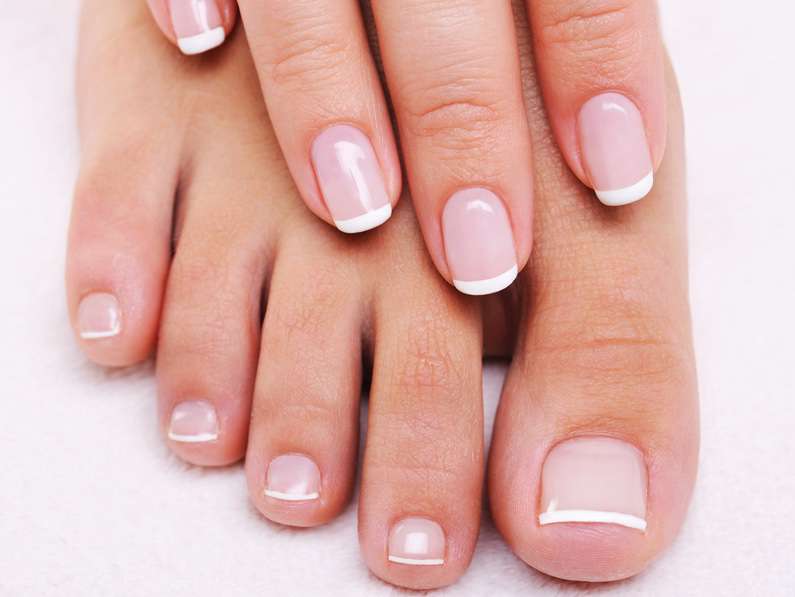
What is the correct way to apply nail polish? What are the side effects? Which nail polish products are better? We discuss all these concerns in this article. Nail polish does not only beautify your nails, but also strengthens them if they are weak. Nail polish covers up the irregularities and discolouration of nails. It also provides youthful appearance to ridged nails in older women.
The use of nail colouring dates back to ancient times, where beeswaxes, egg white, flower extracts, vegetable dyes and henna were used as nail colorants. Inspired by automobile paint used on cars, the modern day nail paint was manufactured and launched by the Charles Revson Company or Revlon in 1920.
What are the constituents of nail polish?
Nail polish is a complex composition of seven primary ingredients, which include:
- Resins that provides adherence
- Film-forming ingredient gives desired glossy appearance
- Solvents serve as carrier, keep polish in fluid state & help drying once applied
- Plasticisers provide flexibility and prevent chipping
- Colorants
- Thixotropic agents control flow
- Colour stabilisers
How to apply nail polish?
Ideally, a nail polish should be applied in multiple coats as:
- Base coat is transparent coat and rich in resin. It increases the adherence of nail polish to nail plate and also prevents yellow staining of nail plate due to coloured nail polish
- Middle coat is nail color. Nail colour itself should be applied in two coats. Multiple colours of nail paints are available with or without metallic finish are available that are chosen depending on matching dress or mood.
- Top coat is also transparent and rich in film-forming ingredient. This would help to prevent the color from chipping and add extra shine.
Sufficient time should be allowed for complete drying while applying these multiple coats.
How to remove nail polish?
With the availability of numerous colors & shades, women frequently change nail polish matching with dress or mood. For that, the existing nail paint is removed by wiping it off with nail polish remover soaked in cloth or cotton. Any solvent that dissolves resin and is safe for skin can be used. Acetone is the most common solvent used as a nail polish remover, as it is physiologically least hazardous. But, as acetone dehydrates the nails and make them brittle, so nowadays non-acetone nail polish removers are preferred.
What are the harmful effects of nail polish and nail polish remover?
Earlier nail polishes had three toxic ingredients: toluene, formaldehyde and dibutyl phthalate. These had potential health risks like cancer & developmental defects in babies of pregnant mother. These have now been removed and replaced by safer alternatives by nail polish manufacturers. Such toxicities are not a major concern nowadays, but it would be still wiser to use nail polish of reputed brands. The most common side effect of nail polish is yellow staining of nails. It is because of coloured ingredient especially red colour. Using a transparent base coat between nail polish and nail plate can prevent this. Other side effects of nail polish include an allergic reaction around the nail and surrounding skin. Sometimes, such allergic reactions can also be seen on distant sites as on face (especially on eyelids and mouth), or neck or other body parts that are touched by the person. Allergies are commonly due to resins present in nail polish. The patient usually develops redness, swelling or itching around nails after application of nail polish. In such case, one should consult a dermatologist. Nail polish removers, especially those containing acetone, can have significant drying and defatting effects on skin, leading to irritation and brittleness. Applying moisturising lotion after applying nail paint can mitigate this. Because of this concern, non-acetone nail polish removers are preferred over those containing acetone.
Things to keep in mind while applying nail polish:
- Use nail paints of reputed brands only which is supposed to be devoid of harmful ingredients
- Don’t use nail polish if it is old. The shelf life of nail polish is 2 years in general, so if you have older nail polishes, just throw them away.
- Base coat should be applied before nail polish coat to prevent staining.
- Do remove all the nail polish at least fortnightly and apply moisturizer on the nails.
- Don’t use nail paint remover more than once a week. Overuse of nail polish remover because acetone or alcohol content can weaken and dry your nails.
- Non acetone nail polish remover are preferred as they are less dehydrating to nail than acetone
- Habit of nail biting and polish peeling doesn’t remove just polish but also actual layers of nail. Such habits should be avoided.
Dermacosm Clinic, Aligarh
Dr. Nitin Ranjan · MD (Dermatology) · Daily, 9:30 AM to 2:30 PM
Book an appointment →Shop no. 1, Kaveri Apartments, Near Meenakshi Cinema Flyover, Ramghat Road